
It's Not the Move You Dread. It's the Box.
Key takeaways
- When people say they hate moving, they rarely mean the distance. They mean the box.
- Assembly, tape, and disposal are the three box tasks that do the most damage, and every one of them is optional.
- Reusable crates arrive ready to use with no tape and no assembly, and they get picked up when you are done, so nothing is left to flatten at the curb.
- You can't shorten the distance of a move, but you can get rid of the box, and the box is the part you were actually dreading.
You lost a Sunday hunting for boxes
"I hate moving." Everyone says it. Almost nobody means the distance.
Think about what actually runs through your head when you say it. You are not lying awake dreading the drive across town, or the fact that your bed will sit in a different room next week. Nobody fears the truck.
What you are dreading is the box. The Sunday lost to hunting boxes down. The stack you have to build and tape before a single thing goes in. The pile you have to break apart and drag to the curb when you are already finished and worn out. That is the part people mean when they say they hate moving. Not the move. The box.
So let me say it flat. The move is not the hard part. The box is. The thing you dread about moving is not the move at all. It is the box, and everything the box drags along with it. Take the box out and you take out most of what people actually hate about the whole ordeal.
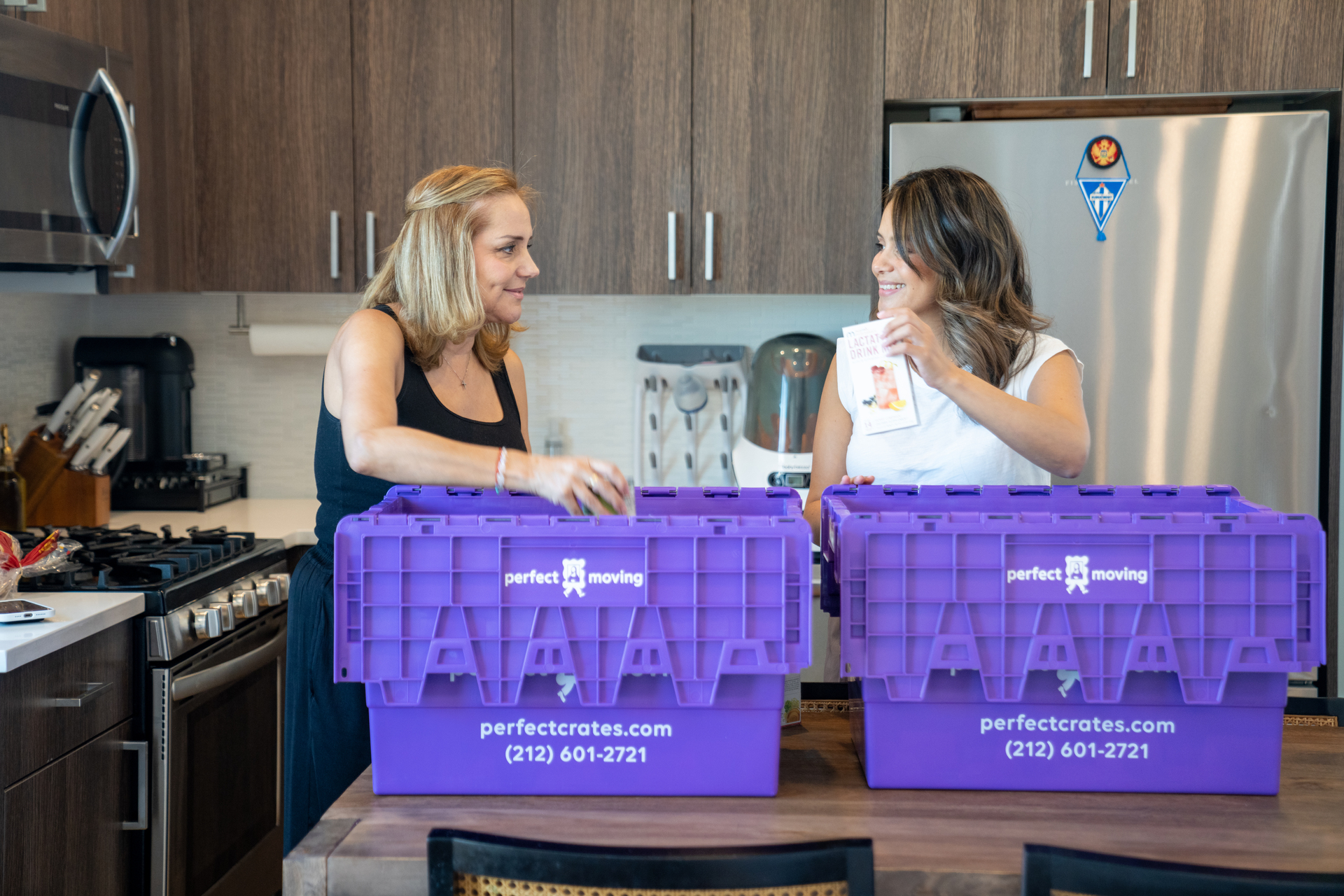
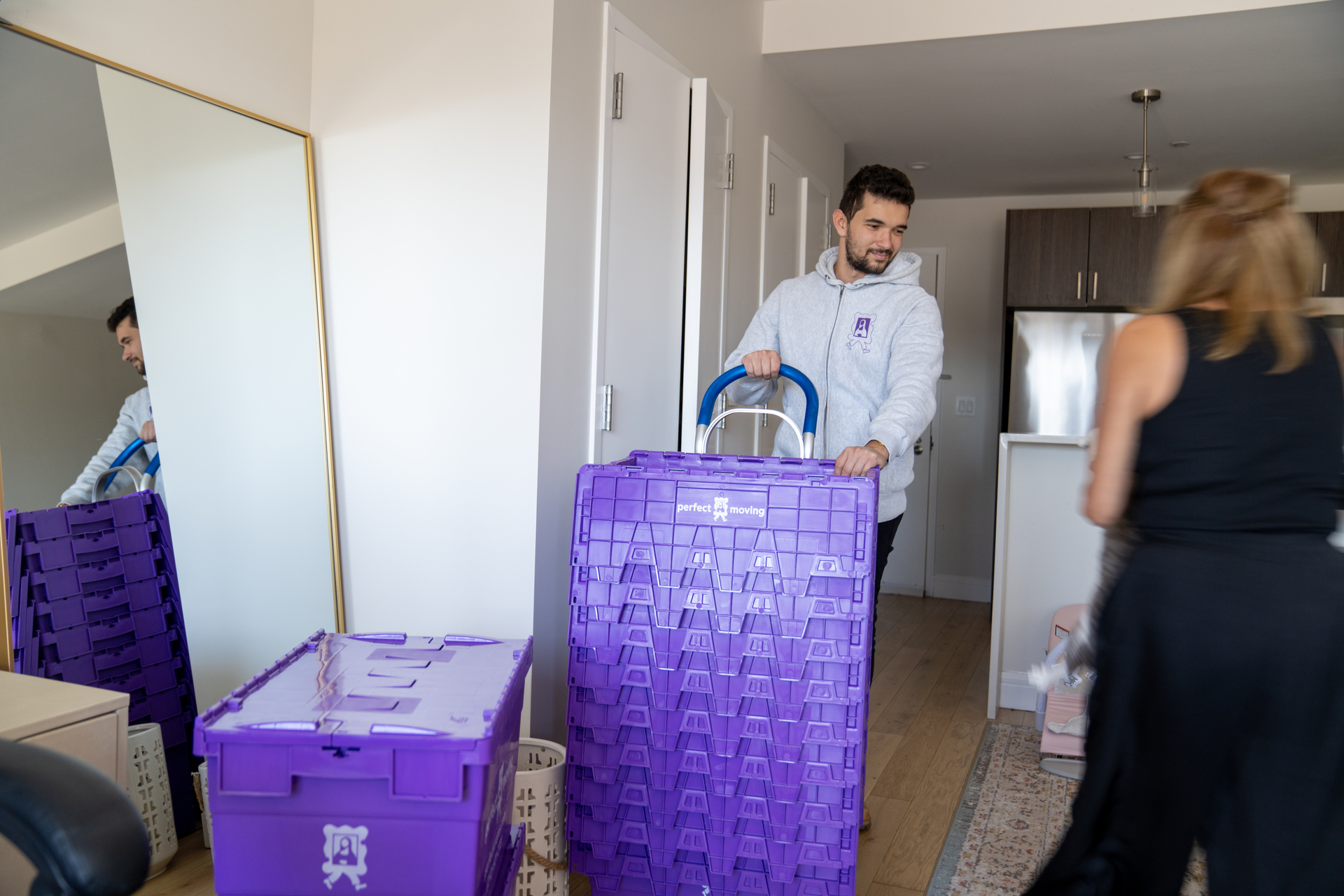
A boxless move is a move made with reusable crates instead of single-use cardboard. The crates get delivered, you pack, you move, and they get picked up. That one swap is the whole idea behind this series, the boxless move, and this piece is about one specific thing it does. It removes the exact part of moving you were dreading.
The move you're stuck with, and the box you're not
Some of a move is fixed. You have to end up somewhere else. Your things have to travel from the old place to the new one. There is no version of moving where the distance disappears, and honestly, the distance was never the problem. Carrying your life ten blocks or ten miles is just logistics. It is tedious, not dreadful.
The box is a different animal. Almost everything people describe when they describe the misery of moving is a box task, and every one of those tasks is optional. Look at the three that do the most damage.
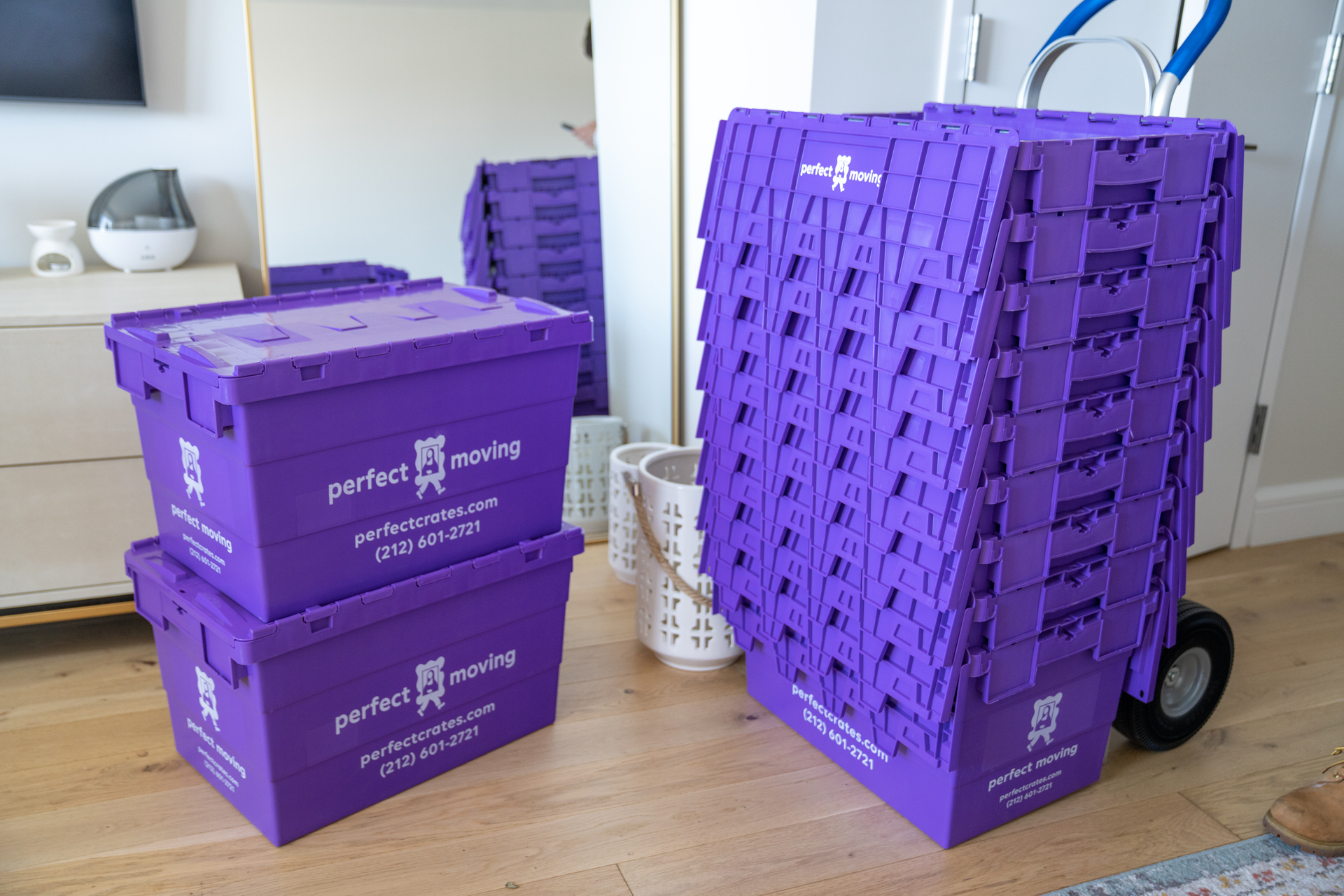
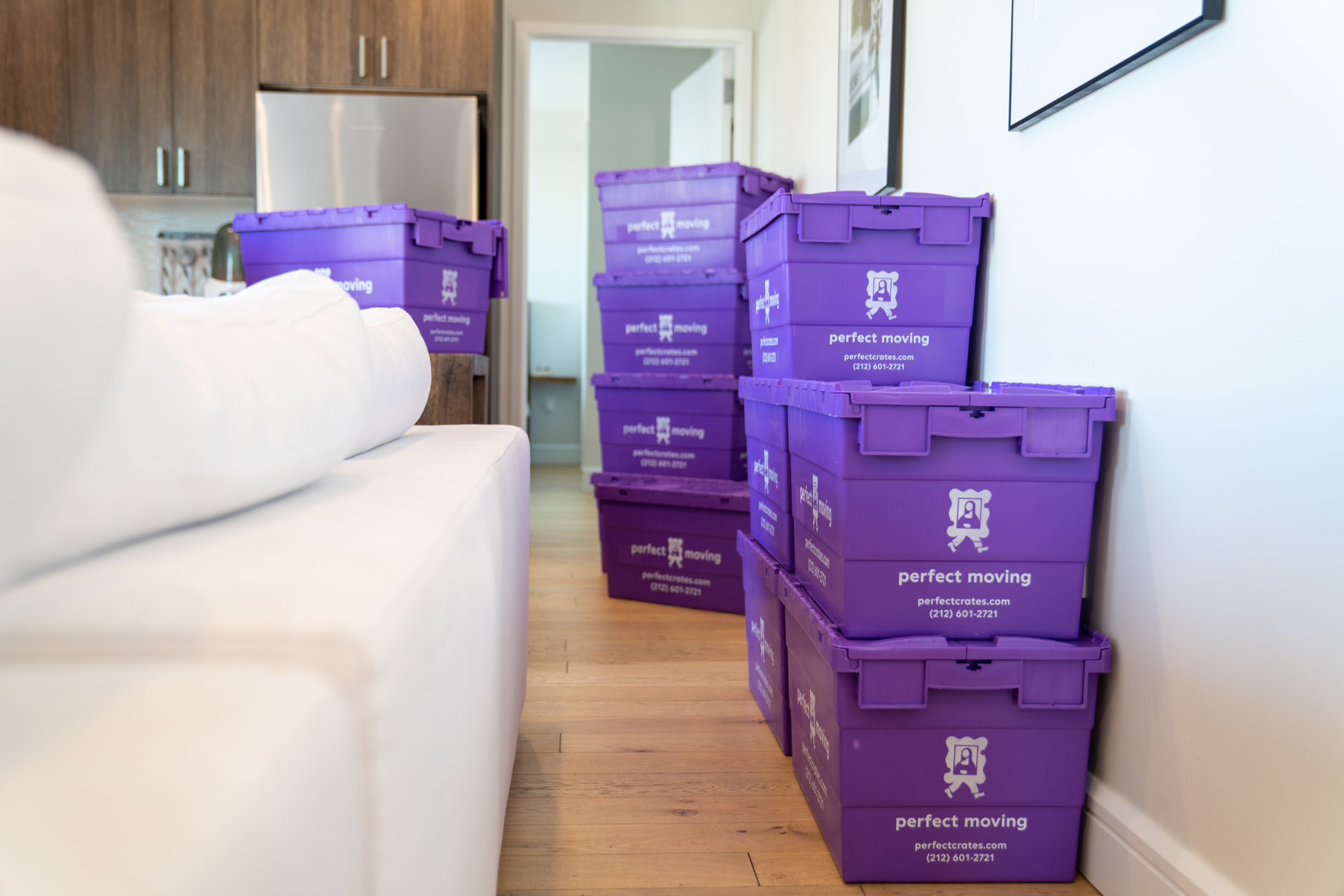
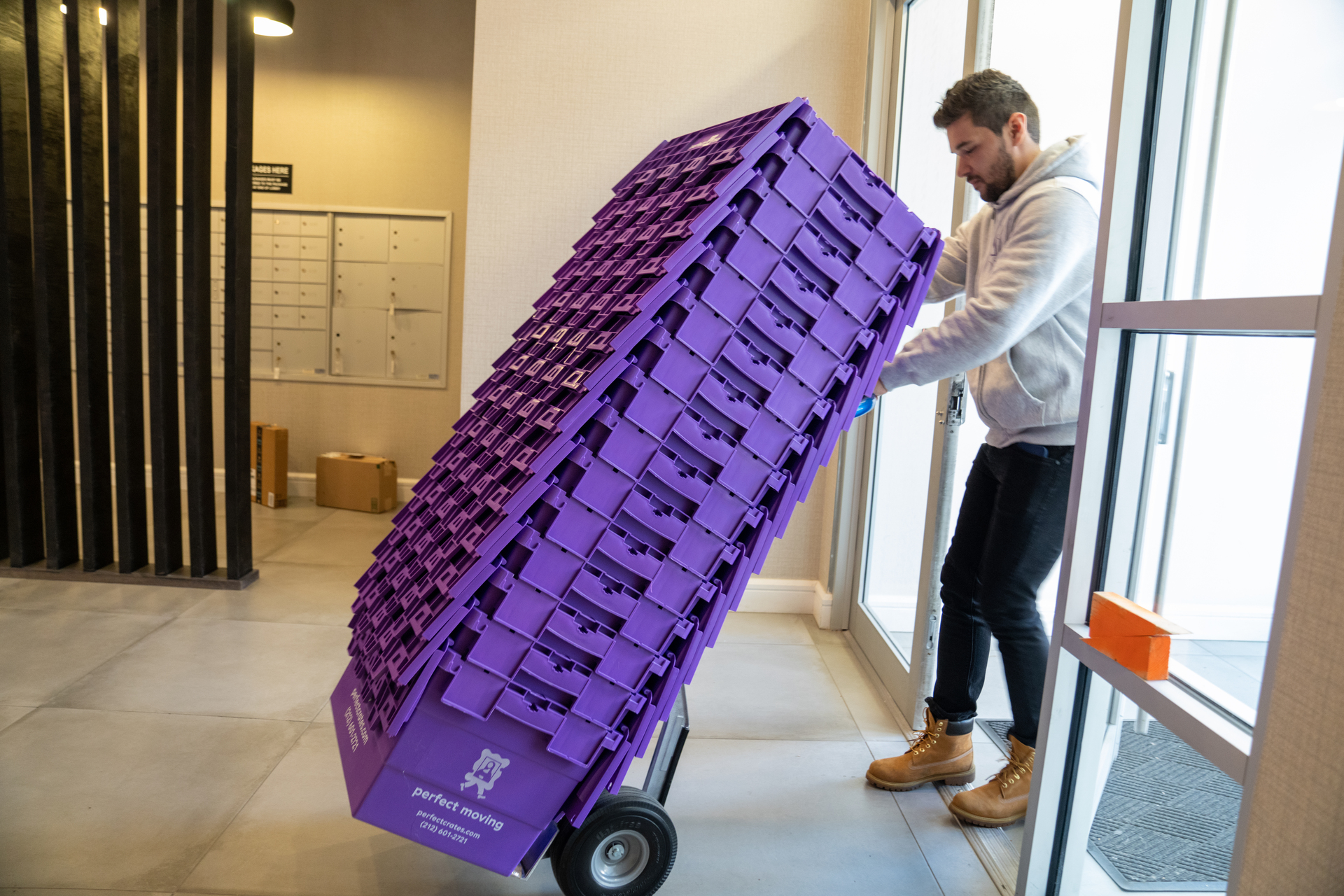
Assembly. A flat box is not a box yet. Someone has to fold it, tape the bottom, and hope the bottom holds, then repeat that dozens more times before the real work even starts. Crates skip the whole thing. They arrive ready to use, with no tape and no assembly. There is nothing to build, because the box is already a box.
Tape. The tape gun is its own small ordeal, and it never ends with one roll. Reusable crates need no tape at all, so the entire ritual, the gun, the refills, the run to the store when you run out, simply is not part of your day.
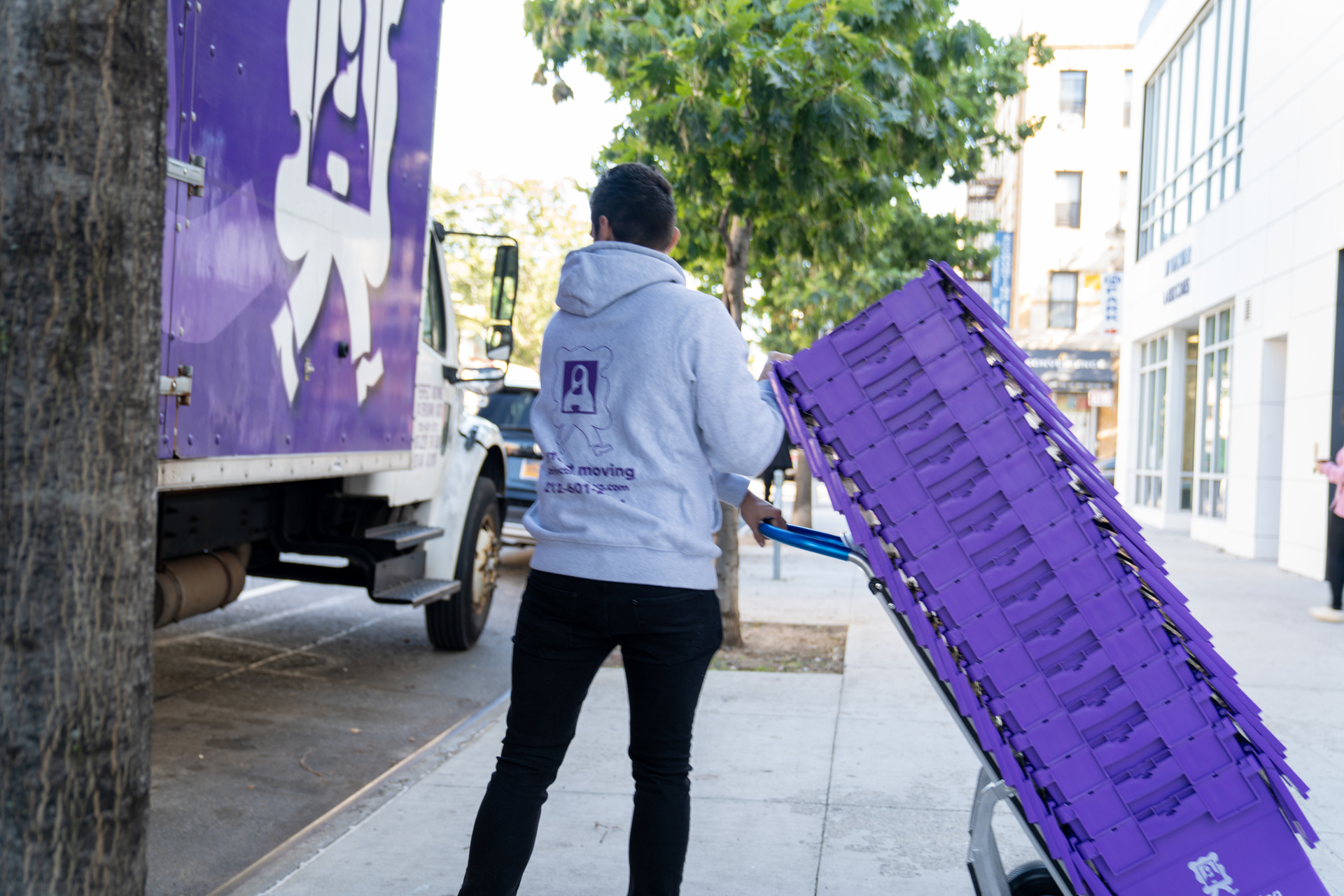
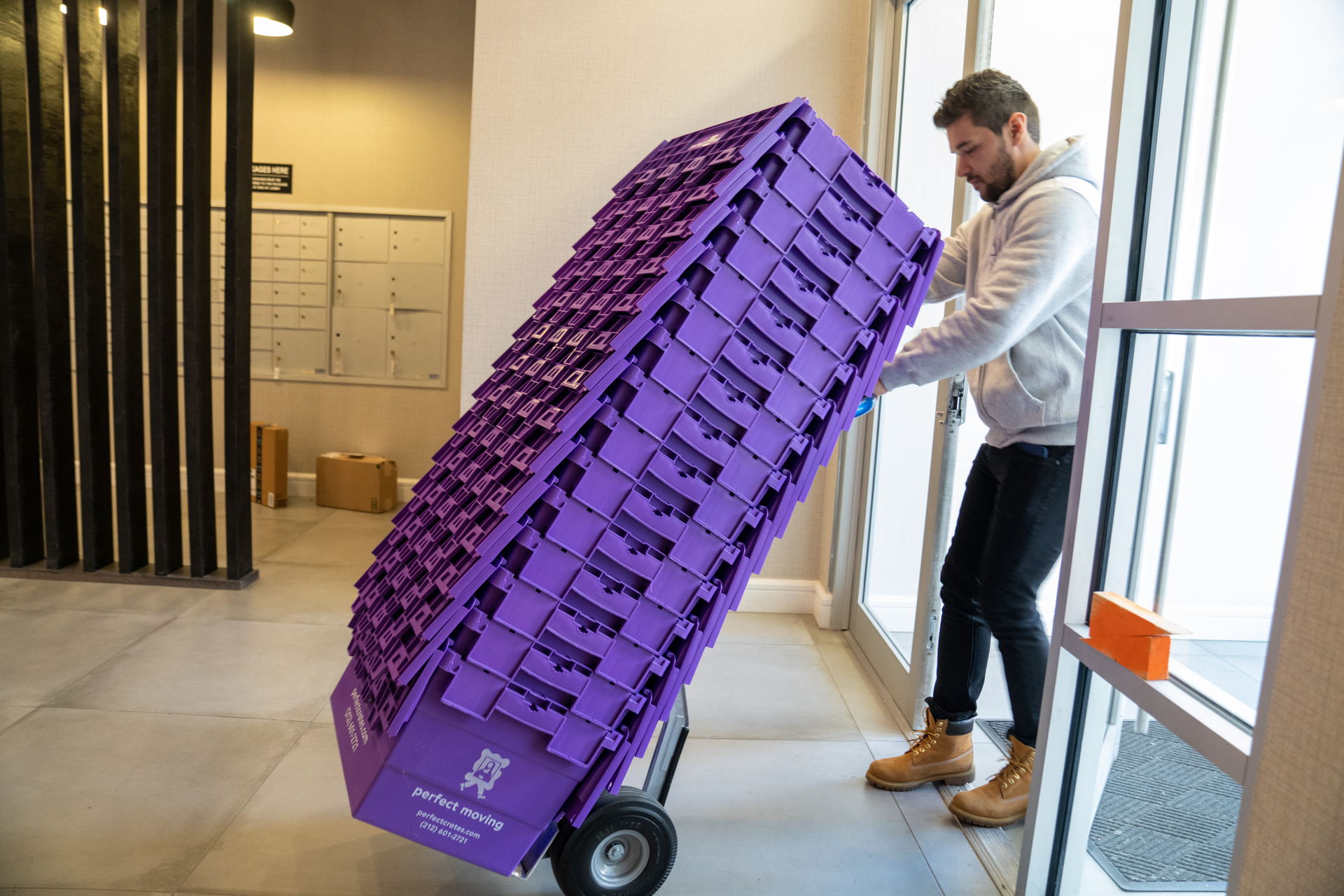
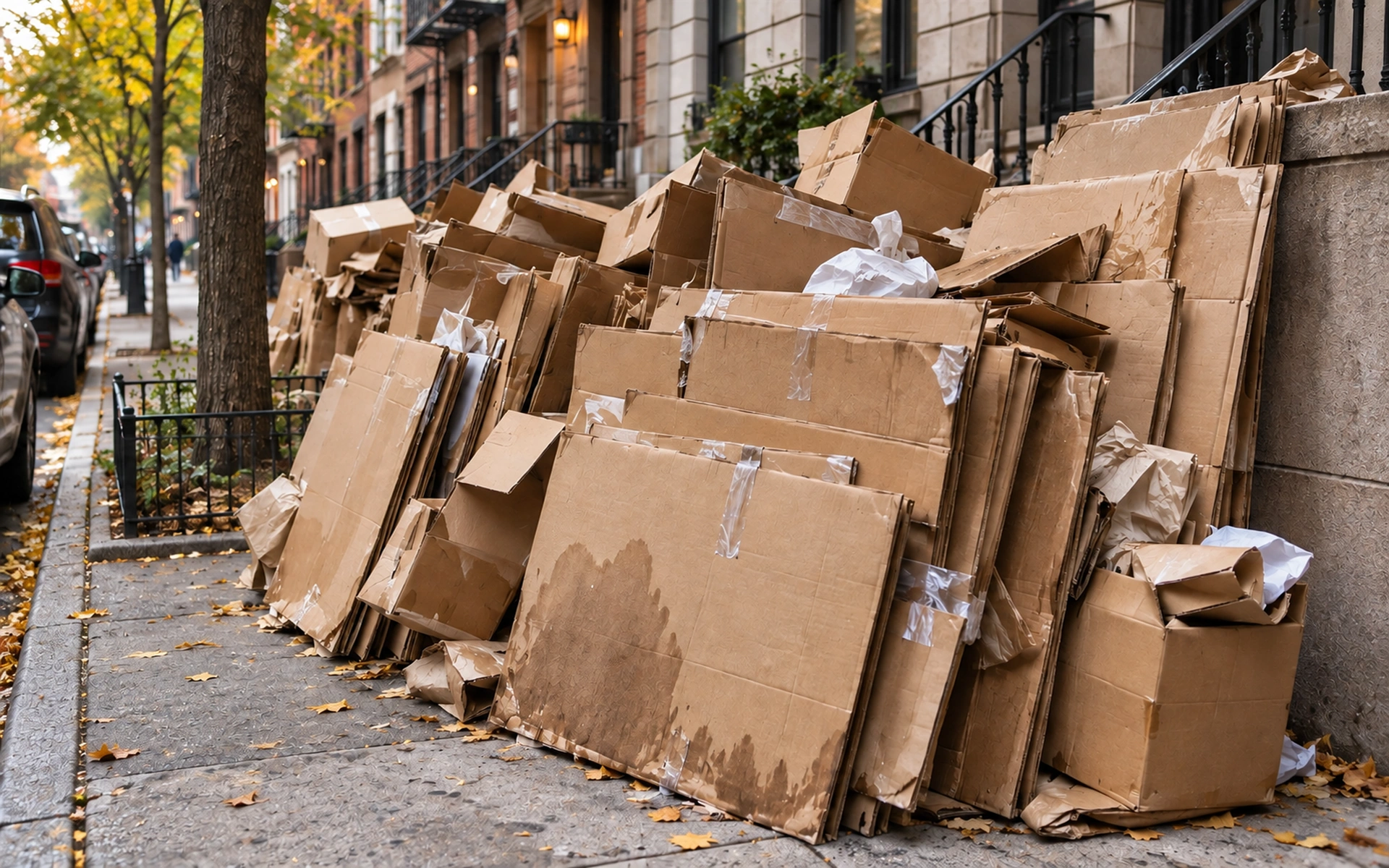
Disposal. This is the one nobody warns you about. The move is technically over, everything is inside, and now you own a stack of flattened cardboard that has to go to the curb and wait for a pickup that is not today. Crates do the opposite. They get picked up when you are done. Nothing is left for you to break down, because nothing you used was built to be thrown away.
Assembly, tape, disposal. Remove those three and you have removed the worst of what people mean by "I hate moving." That is what I mean when I say you can skip the box. The distance is fixed. The box is not.
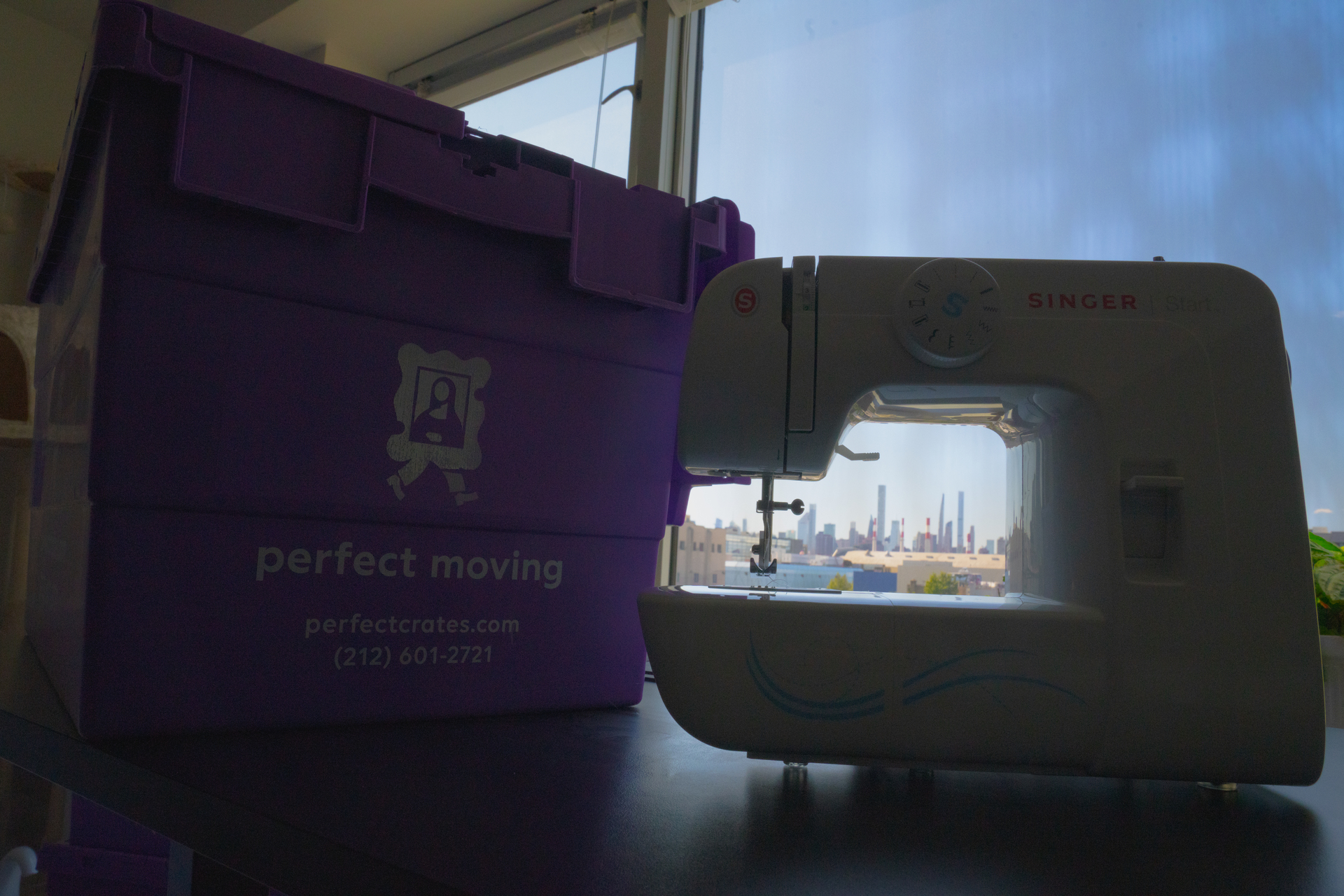
There is even a quieter dread the box carries, the low hum of wondering whether it will actually hold. A scavenged box has a history you cannot see, and part of you spends the day braced for a bottom to give out. A crate is crush- and water-resistant, so that particular worry never enters the room. You stop managing the container. You just move.
With cardboard, you spend the day managing the container. With crates, you just move.
Maybe the dread is really the upheaval
Here is the fair version of the pushback, and it's a good one:
Moving is not only boxes. It is upheaval. You are leaving a place you know, your whole life is in pieces, you cannot find a fork for a week, and you are wrung out for days after. That dread is real, and no crate touches it. Skipping the box doesn't erase the disruption of tearing your home apart and rebuilding it somewhere else. So calling the box the thing people dread, the argument goes, is too tidy. The box is a nuisance. The real dread is change.
I take that seriously, because there is truth in it.
Here is where I land anyway. Yes, some of the dread is the life-change, and I am not going to pretend a plastic crate soothes the feeling of leaving a home. But separate the two things, because they are not the same size. The upheaval is a few days, it is unavoidable, and it passes. The box is present in nearly every task people actually name when they tell you why they hate moving.
Ask someone what was miserable about their last move and they do not say "the emotional weight of transition." They say the boxes never stacked, the tape ran out, a bottom fell through, the cardboard sat at the curb for a week. The box is not the whole of the dread. It is the part that shows up over and over, in every hour of the job, and it is the only part you are actually allowed to remove.
The disruption you have to live through. The box you get to skip.
Watching the bad part never come
In this work you see the same small moment land on move after move: a customer braced for the worst, then slowly realizing the worst was not coming.
You can see it on people. They have done this before, so they are waiting for the bad part, the stretch where the whole thing turns into a grind. They keep waiting. There is no morning lost to building boxes, so that hour never arrives. There is no tape, so there is no fight with the tape gun. At the end there is no wall of cardboard to flatten, because the crates get picked up after they are done.
Turns out I don't hate moving. I hate boxes. Buying them, building them, taping them, cutting them down after. Take all that out and a move is honestly fine. The crates were ready the second they arrived and I didn't tape a single thing.
Nina R.
And somewhere in the middle of a move that was supposed to be terrible, you watch a person catch themselves and notice that it is not. They were dreading something specific, and the specific thing never showed up.
The dread was never the distance. It was the box, and the box is the part you can skip.
So what are you actually dreading?
That is the useful question. Not "how do I survive moving," but "which part of this do I actually dread, and is it a part I have to keep?" For most people the honest answer is that the dreaded part is the box, and the box is the one piece of the whole thing they were free to leave out the entire time.
None of this makes a move effortless. You still pack, you still move, your life is still briefly in disarray. There is also a reason the box lands even harder in this city, where stairs and tight doorways turn a flimsy carton into its own separate problem, and that gets its own argument: the walk-up problem. But strip out assembly, tape, and disposal, and what is left is a far smaller and far more bearable thing than the ordeal you were picturing.
Frequently asked questions
Isn't the real dread moving itself, not the box?
The upheaval of moving is real, but it lasts a few days and passes, while the box shows up in nearly every hour of the job. When people describe why they hate moving, they name box tasks: the boxes that never stacked, the tape that ran out, the pile flattened at the curb. The disruption is the part you have to live through; the box is the part you can actually remove.
What exactly does removing the box take out of a move?
It removes three tasks: assembly, tape, and disposal. Reusable crates arrive ready to use with no folding and no tape, and they get picked up when you are done, so there is no wall of cardboard to break down at the curb.
Do reusable crates really make a move less stressful?
They take out the parts of a move people actually dread, not the move itself. There is no Sunday lost to hunting boxes down, no fight with the tape gun, and no bracing for a scavenged box to give out, because crates are crush- and water-resistant. You still pack and you still move; you just stop managing the container.
Does the box matter even more in a walk-up or a small NYC apartment?
The box matters even more in a walk-up or a small NYC apartment. Stairs and tight doorways turn a flimsy carton into its own separate problem, big enough to deserve its own argument. That case for sturdy, stackable crates gets its full treatment in the walk-up problem.
Skip the box
If the box is the part of a move you actually dread, the whole point of Perfect Crates is to take it out of the picture: no boxes to hunt down, tape up, or flatten at the curb. Order your crates online.
This piece is drawn from the author's first-hand operator experience moving New Yorkers; no external sources are cited. The service facts it references (crates delivered and picked up, no tape or assembly, crush- and water-resistant construction) are Perfect Crates' own product specifications.
- The Boxless Move: the full case this piece is one thread of.
- The walk-up problem: why New York's stairs and tight doorways make sturdy, stackable crates matter even more.