The Boxless Move: Why New York Is Ditching the Cardboard Box
Key takeaways
- The cardboard box is moving's last unquestioned default, treated like a law of physics when it is only a habit.
- A boxless move swaps single-use cardboard for reusable crates that get delivered, packed, moved, and picked up again.
- New York moves early, often, and all at once, which is why the single-use box loses its default here first.
- The case for boxless is a better product first; the lower waste is a bonus, not the pitch.
You question everything but the box
Look at the last move you made. Or the next one. There is one object in it you have never once stopped to question: the cardboard box.
It is so automatic that it has stopped being a decision. You need to move, so you get boxes. You buy a stack, or you beg a few from the liquor store, or you flatten the ones a neighbor left in the hall. Nobody argues about it. The box gets treated like a law of physics, as fixed as the stairs and the truck and the security deposit.
It is not a law. It is a habit. And the moment you see the cardboard box as a choice instead of a given, the better choice gets obvious fast.
I can say that because I have spent more than a decade moving New Yorkers, and I did not start behind a desk. I started at the ground level, carrying other people's lives up this city's walk-ups, and I watched the same thing go wrong more times than I can count. It was almost never the miles or the stairs. It was the box, choosing the worst possible moment to give out.
Later, once I was running the moves and could see the whole day at once, the pattern was impossible to miss: take the box out, and most of what people dread goes with it.
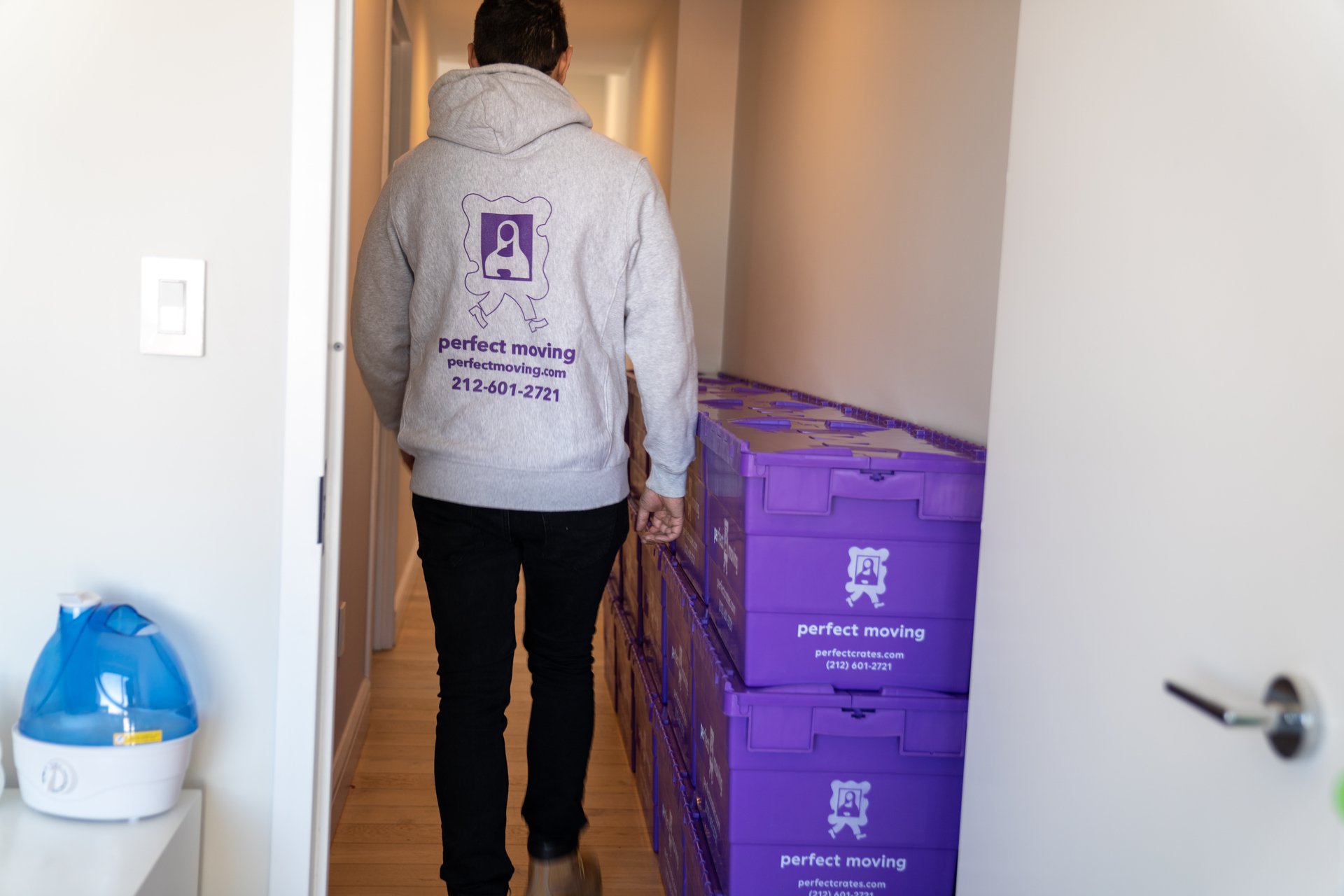
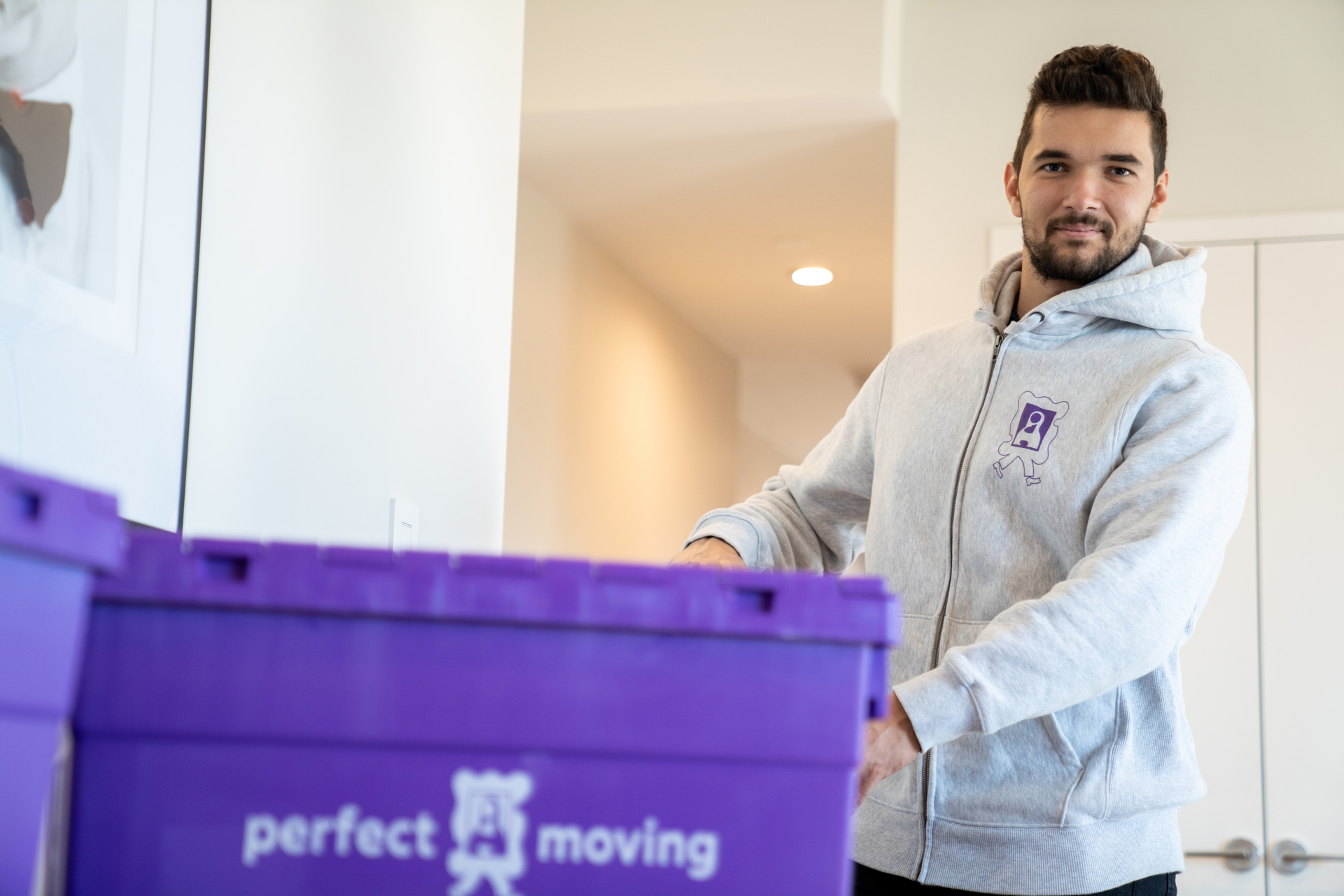
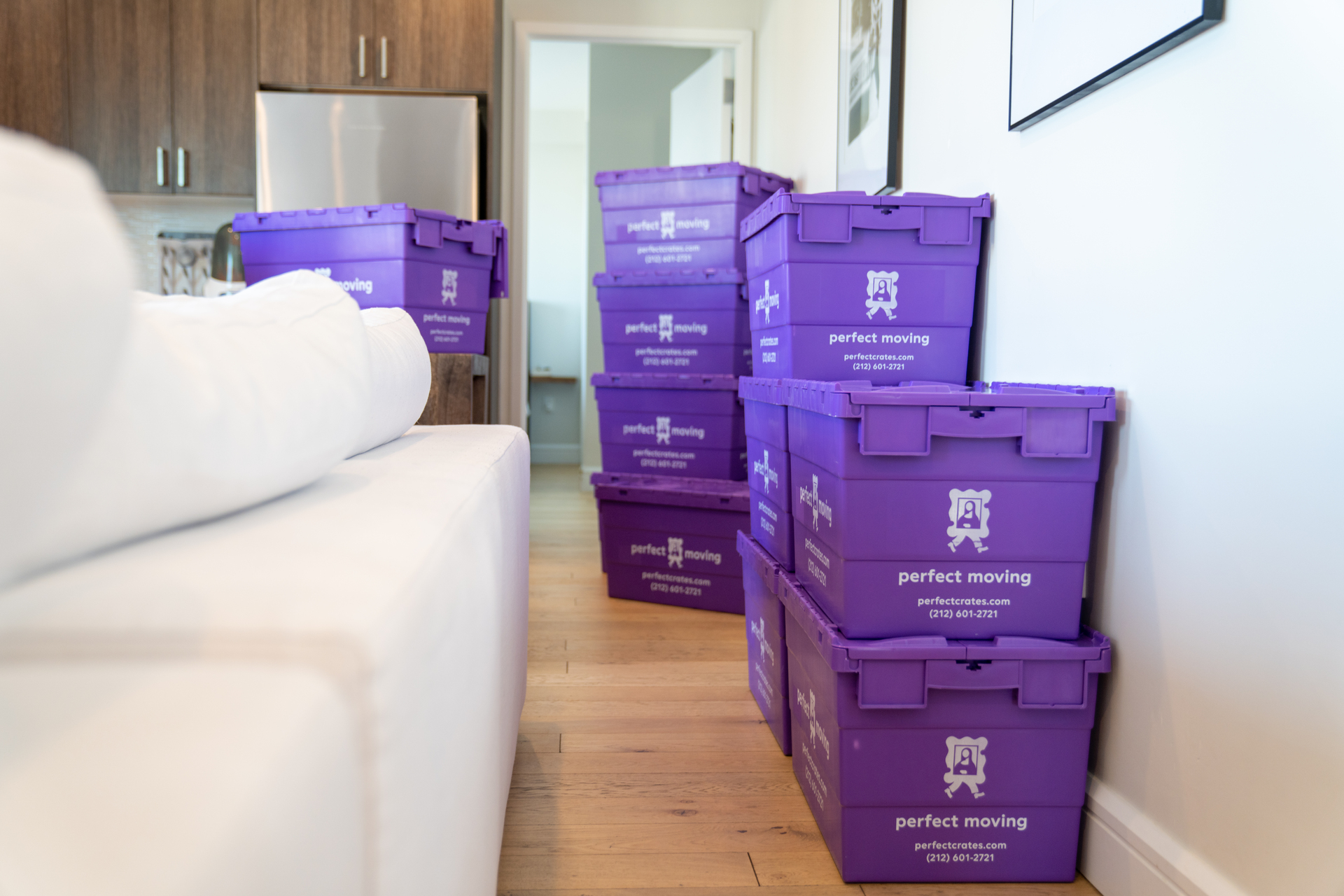
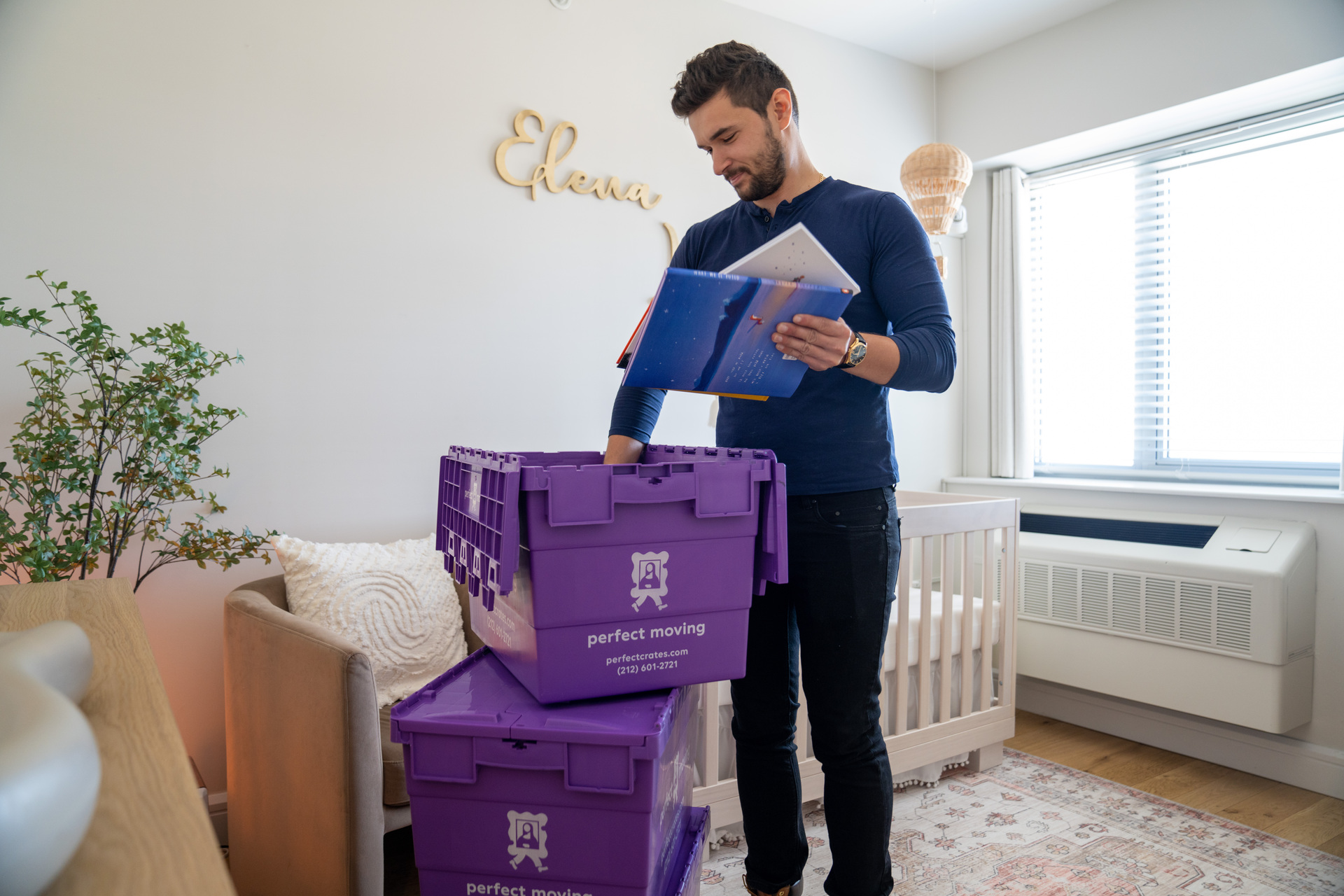
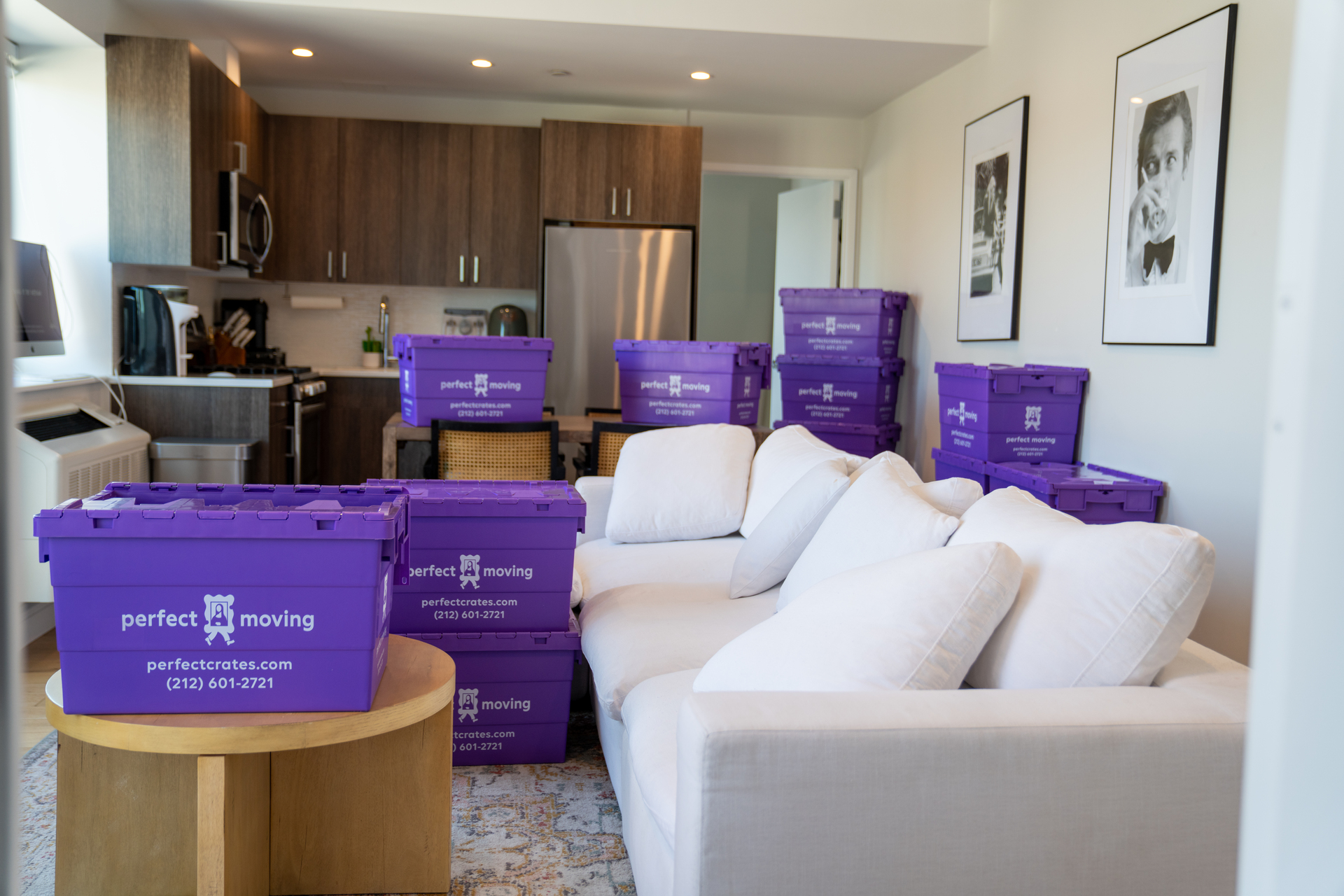
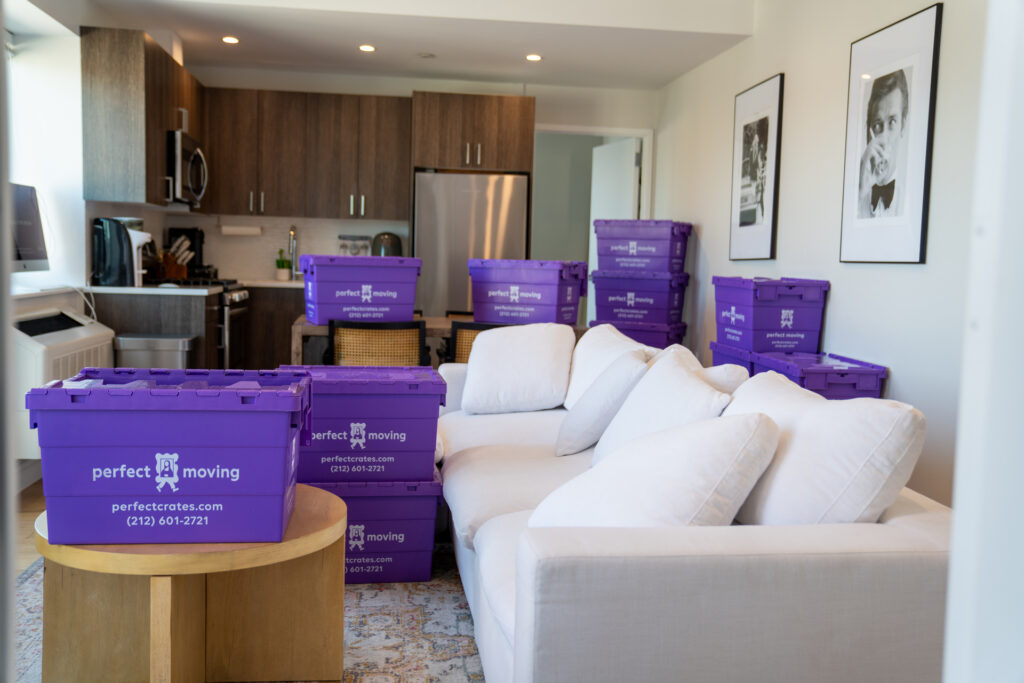
So here is the argument this whole series is going to make, stated plainly: cardboard is moving's last unquestioned default, and New York, a city that moves early, often, and all at the same time, is where it finally breaks. The smart move is boxless. A boxless move is a move made with reusable crates instead of single-use cardboard: the crates get delivered, you pack, you move, and they get picked up.
That is a real claim, and a reasonable person can push back on it. Most people do. We will get to the pushback. First, the case.
The box is the part of moving worth questioning
Most New Yorkers say they hate moving. Push on it and almost none of them mean the miles or the truck. They mean the box. The Sunday spent hunting for boxes. The tape gun that never starts where you want it. The tower of mismatched sizes that never stacks. The flattened pile of cardboard sitting at the curb on the other end, waiting for a sanitation day that is three days out.
Take the box out of a move and you take out most of what people actually dread. That is the whole turn, and it deserves its own argument, which is why it gets one: it's the box, not the move.
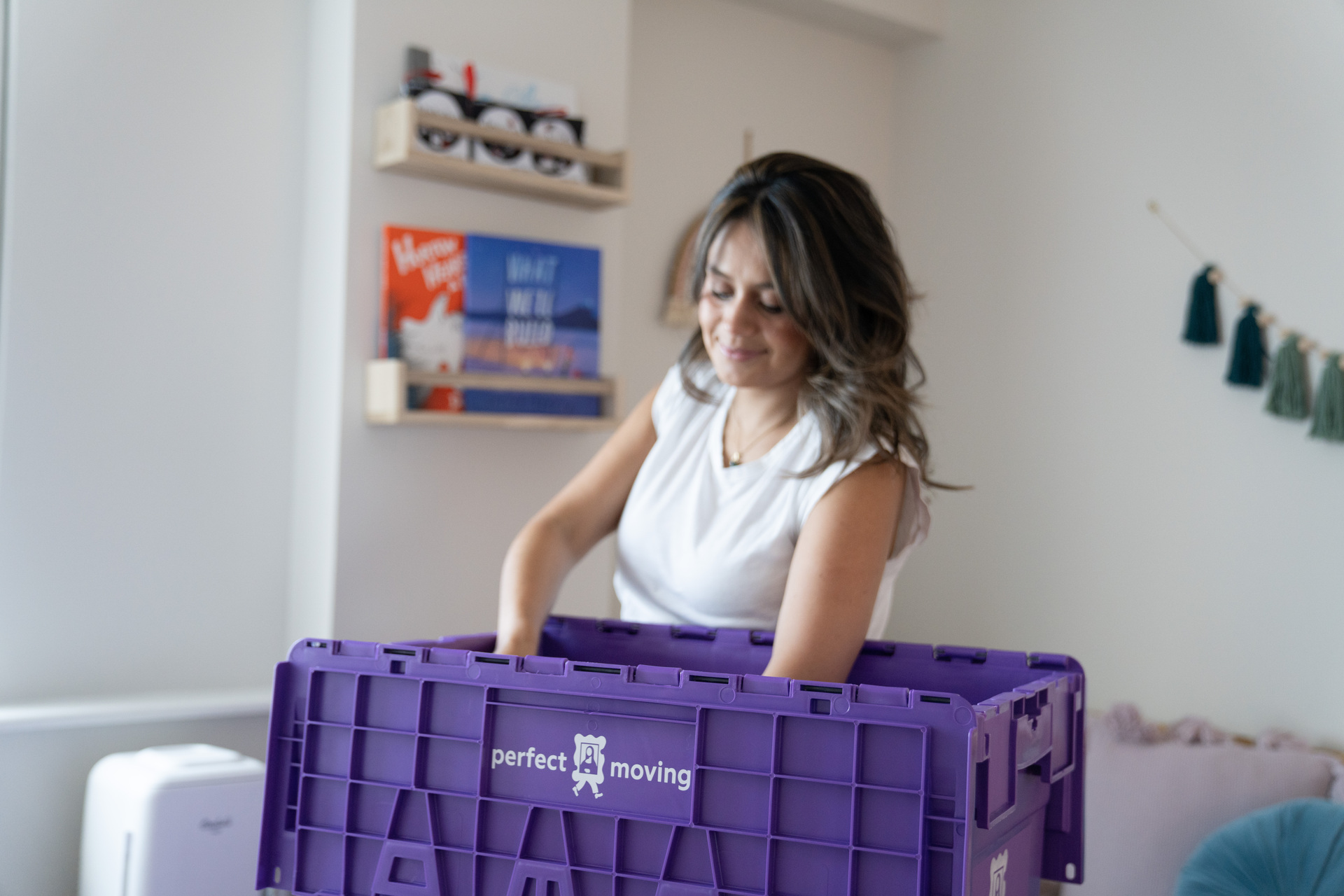
Honestly, the thing that stayed with me was how quiet the end of the move was. No box mountain by the door, nothing to break down at midnight. The crates showed up, we packed, they took them away. That's just how I move now.
Caroline J.
The next thing to question is the word "free." A free box is the most expensive part of a lot of moves. It is free the way a puppy is free. You pay in the hours you spend collecting boxes, in the ones that arrive already soft and give out on the stairs, in the tape and the labels, and in the disposal you own on the far end. The true cost of cardboard is everything that is not printed on the price tag, and I add it all up in the hidden cost of free boxes.
Then there is the part that ends up on the sidewalk. A cardboard box is built to be used once and thrown out, and a move generates a lot of them. That is not a small footnote. It is a waste stream hiding in plain sight, and it is the subject of the most wasteful part of your move.
People assume recycling settles the account. It helps, but it is downstream. The EPA ranks reuse above recycling in its waste hierarchy, because reusing a container skips the whole make-it, use-it-once, discard-it cycle that recycling only cleans up after. A reusable crate replaces many single-use boxes over its life. That is a different and stronger idea than "recycle your boxes," and it gets its own piece: recycling isn't enough: reduce and reuse come first.
Notice I am putting the environment third, not first. That is on purpose. The eco win is real, and it is a bonus, not the pitch.
Why the break happens in New York first
Every city moves. New York moves differently, in two ways that make buy-and-bin cardboard the odd habit out.
First, New Yorkers move constantly. This is a city of renters, and renters move apartment to apartment on a cycle that most homeowners never experience. Buying a stack of single-use boxes made sense exactly once, back when moving was a once-a-decade event. For someone changing apartments every year or two, buying and binning cardboard every single time is quietly absurd. I make that case in New York is a city of renters.
Second, we all move at once. New York's moving calendar is stacked into a short warm-weather window, and month-end makes it worse, which turns a hard job into a scramble. That crush is more plannable than it looks, and I get into it in why moving season is broken.
Put those together, a population that moves often and moves in a rush, and the single-use box stops looking like the sensible default and starts looking like the leftover from an older way of living.
The cardboard box is not a law of physics. It is a habit, and the moment you see it as a choice, the better one gets obvious.
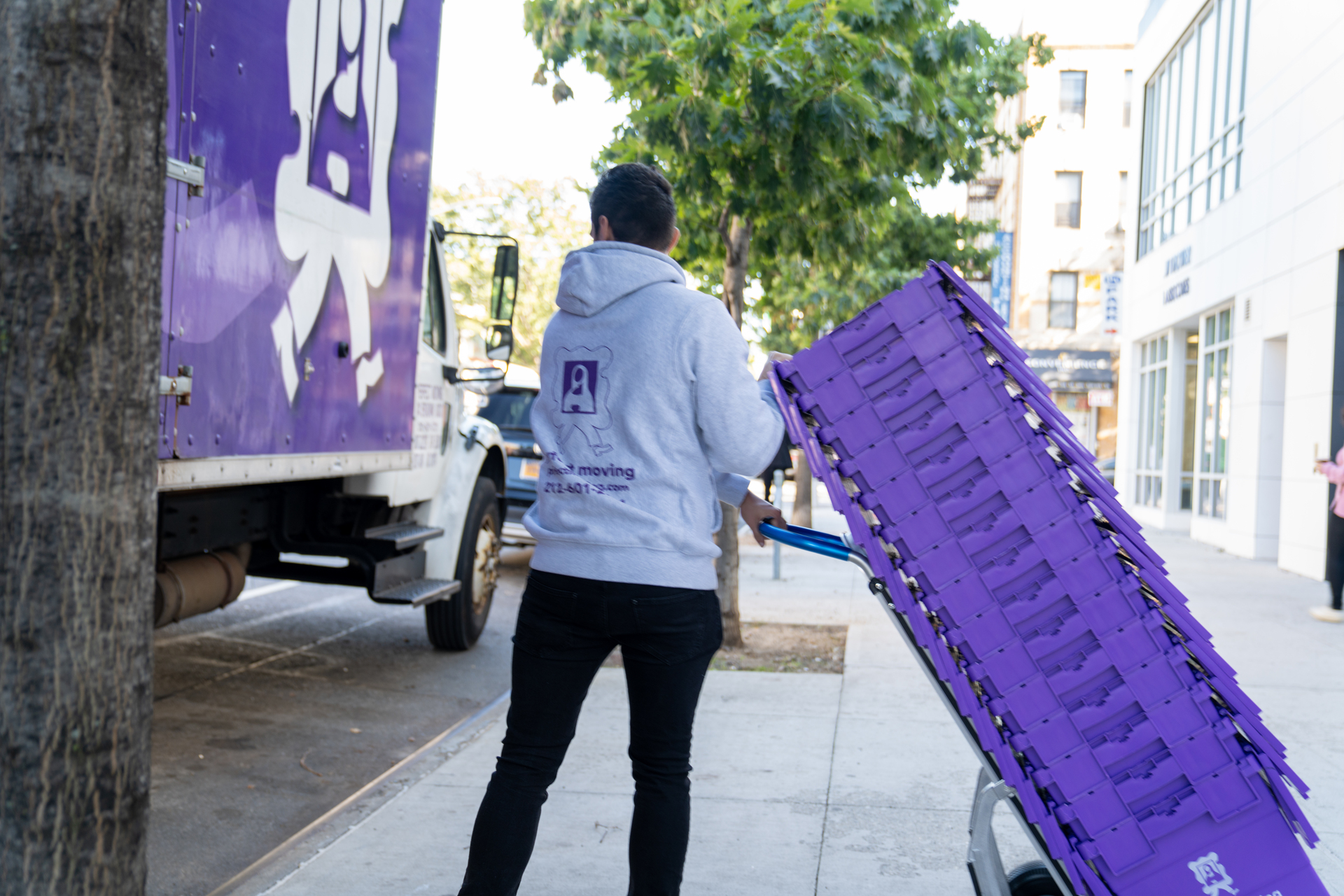
And the alternative is not theoretical. It is already here. Across the city, New Yorkers are already moving out of apartments and offices without a single cardboard box, using reusable crates from Perfect Crates instead of buying and binning boxes. I am not going to put numbers on it here. What the data reveals about how, and when, the city actually moves belongs to its own piece: what our crate rentals reveal. For now, one point only: this shift is not a prediction. It is already happening.
The best case for cardboard
Let me put the other side as fairly as I can, because it is a good argument and it deserves better than a strawman.
It goes like this: cardboard is cheap, it works, it has worked forever, and reusable crates are a nice-to-have for people who care about that sort of thing. You can get boxes for nothing. You can leave them at the curb and forget them. Why rent something and schedule a pickup when a box costs a dollar or nothing at all?
Here is my honest answer, in three parts.
On cost, the premise is the flaw. The box is rarely free once you count the time, the failures, and the disposal, which is the arithmetic I run in the hidden cost of free boxes. "Cheap" is only true if you ignore most of what it costs you.
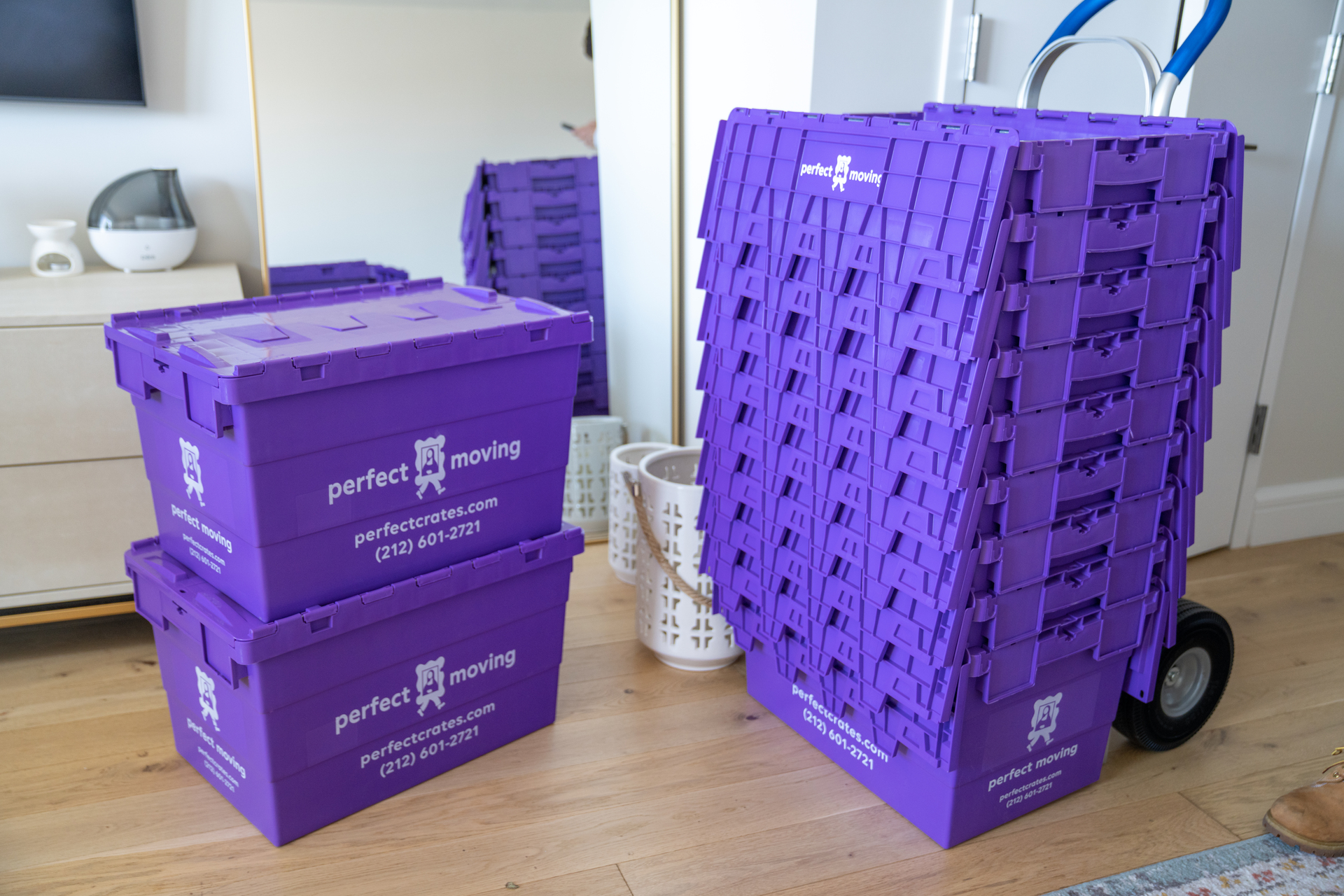
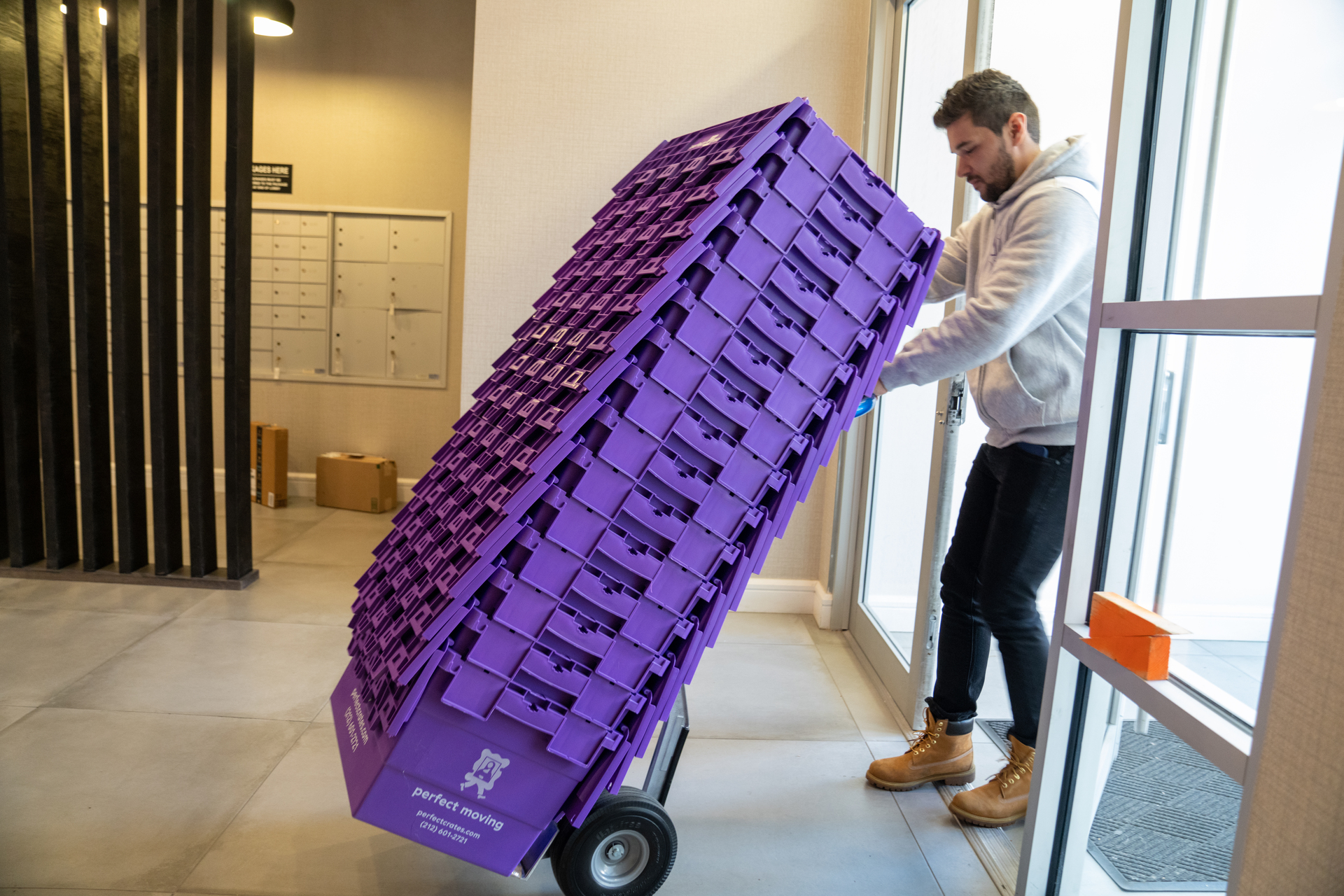
On "it works," it half works. A soft box works until it is raining on move-out day, or until the bottom gives out over a marble lobby floor. Crates are crush- and water-resistant, they need no tape and no assembly, and they stack the same way every time.
So the real question is not cheap versus not-cheap. It is which one is the better product for a city that moves this often, and reliability is the bar that answer has to clear, which is exactly the test I set in reliability is the real test.
And on "nice-to-have," that is where I most disagree. Reusable is not a values upgrade with a green sticker on it. It is a better way to move, and the lower waste comes along for free. Get the product right and the environment benefits without anyone having to feel virtuous about it.
Two crews, one difference
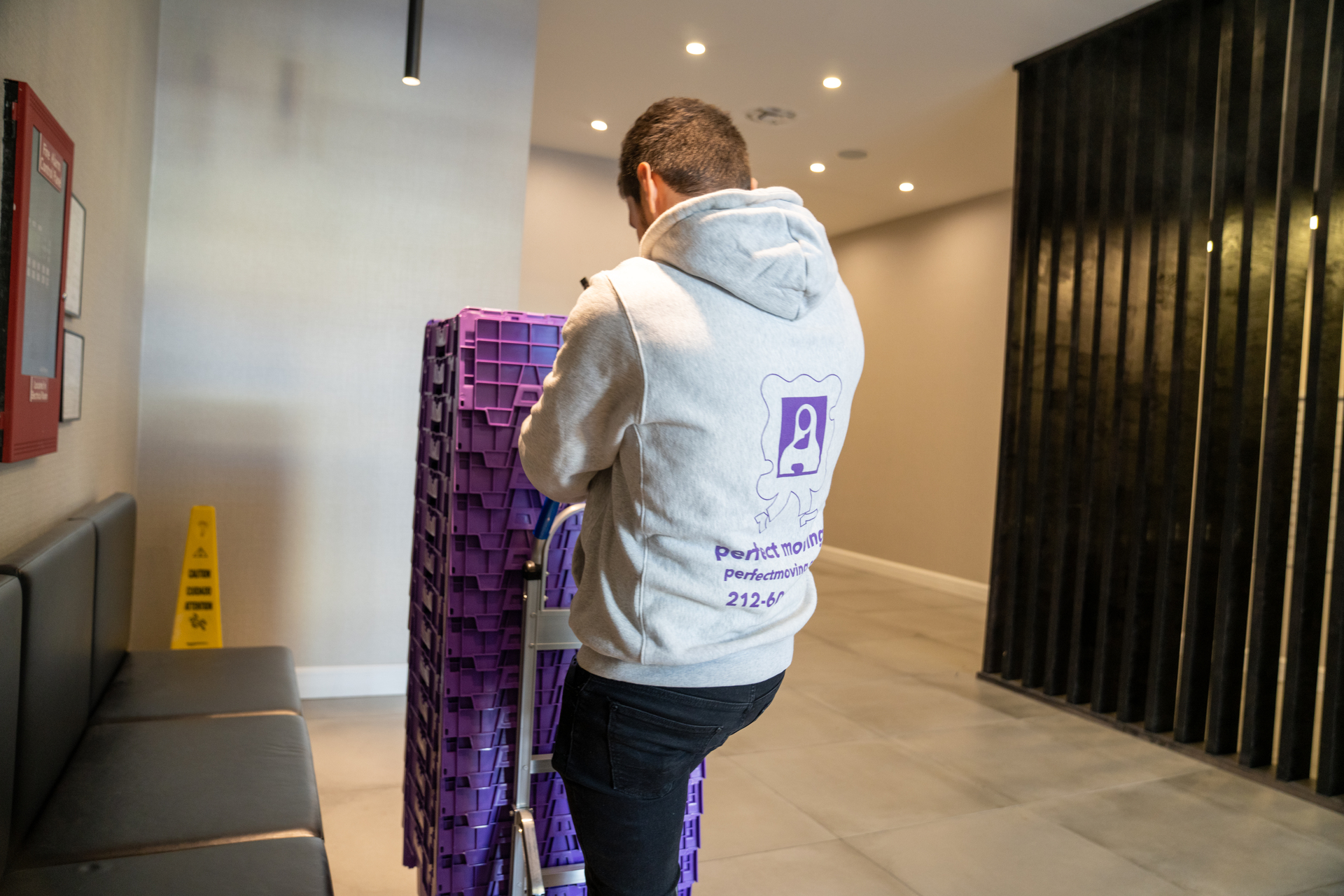
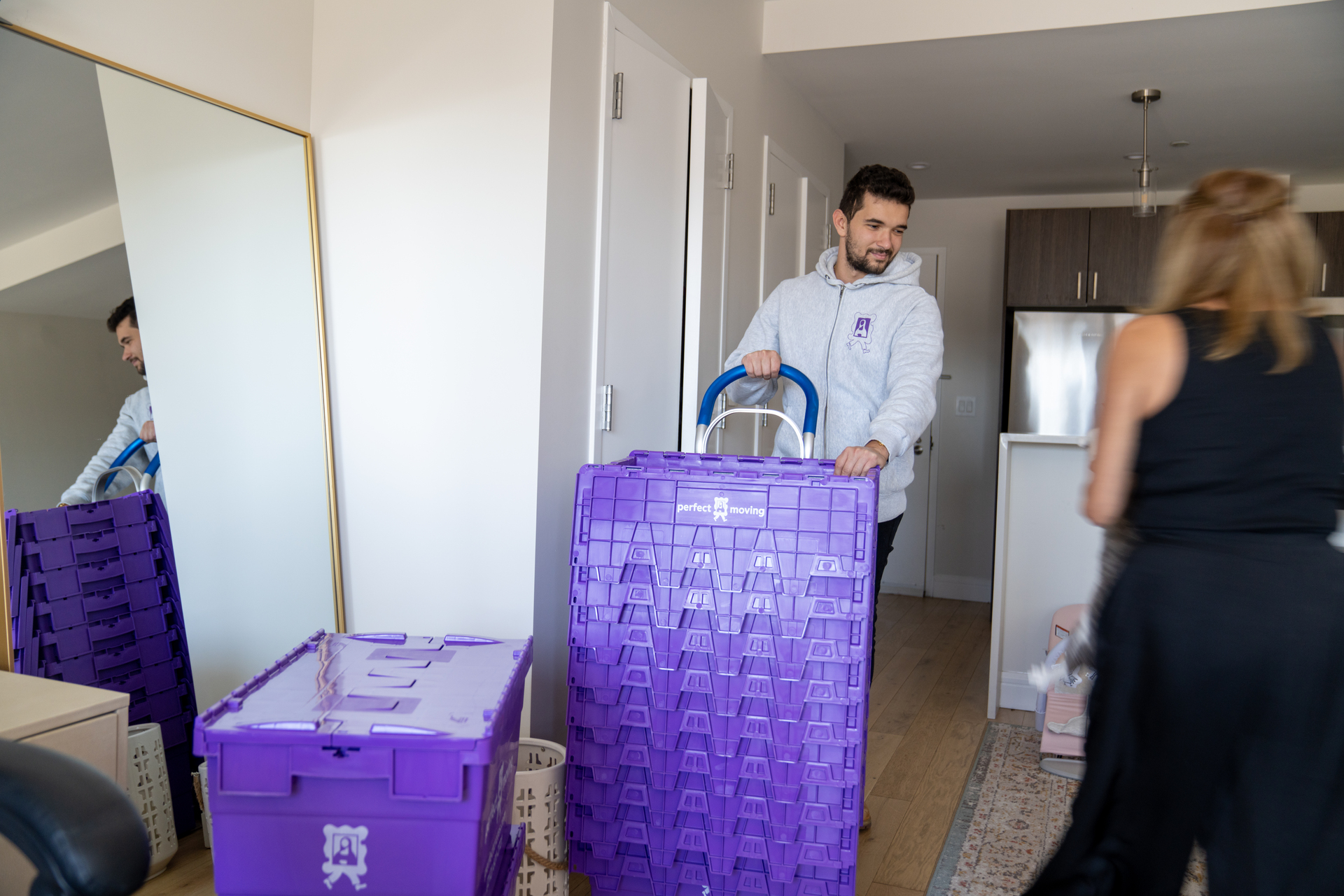
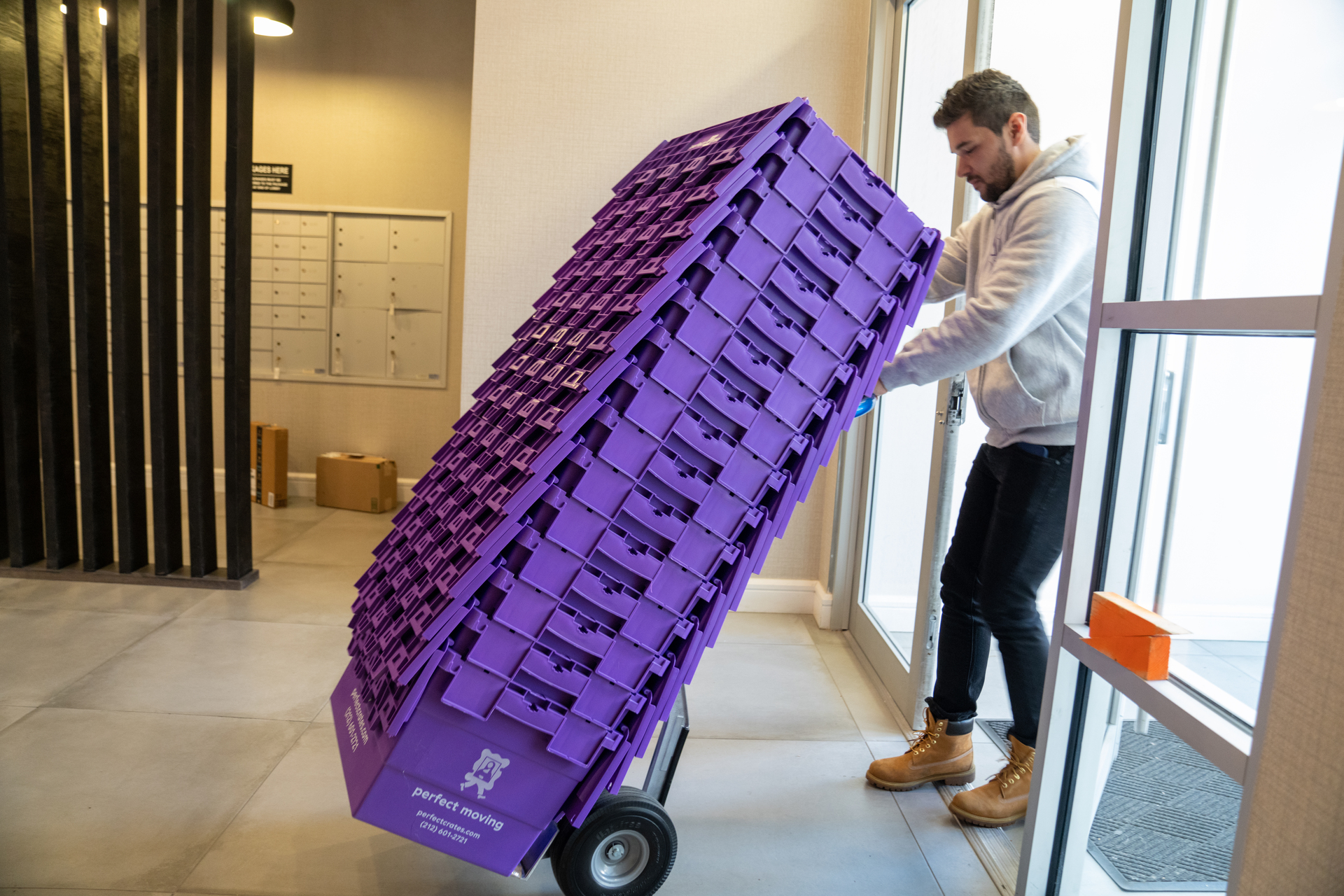
After more than a decade of NYC moves, the pattern that made the box the obvious problem for me was the same scene, over and over. Two crews, same building, same size apartment. The one working out of cardboard spent the first hour building boxes and taping bottoms, then lost another twenty minutes at the end flattening a mountain of it for the curb. The one working out of crates just loaded and rolled. Same move, same stairs, same day. The only variable was the box.
Once you watch that difference enough times, you stop seeing cardboard as neutral. You start seeing it as the thing slowing everyone down.
I put that here because it is the thing you cannot see from a price sheet. The box does not just cost money. It costs the move.
Where this goes
None of this stops with one better box. The direction is bigger than that. In a city where you already rent the apartment, rent the furniture, and rent the truck, buying the one thing you use for a single week starts to look like the odd one out, which is the turn I take in you rent your apartment, why buy your boxes.
Follow that all the way and moving in New York becomes boxless and circular by default, reusable things moving from one household to the next instead of a fresh stack of cardboard bought and binned every time. That is the future this series is arguing toward, and it is the note the whole thing closes on: the future of moving is circular.
The boxless move
So, restated, and I will stand behind it: cardboard is the last part of moving nobody thinks to question, and it is the part most worth questioning. New York, a city that moves early, often, and all at once, is where the box finally loses its default. The alternative already exists, it already works, and New Yorkers are already choosing it, right here.
Frequently asked questions
What is a boxless move?
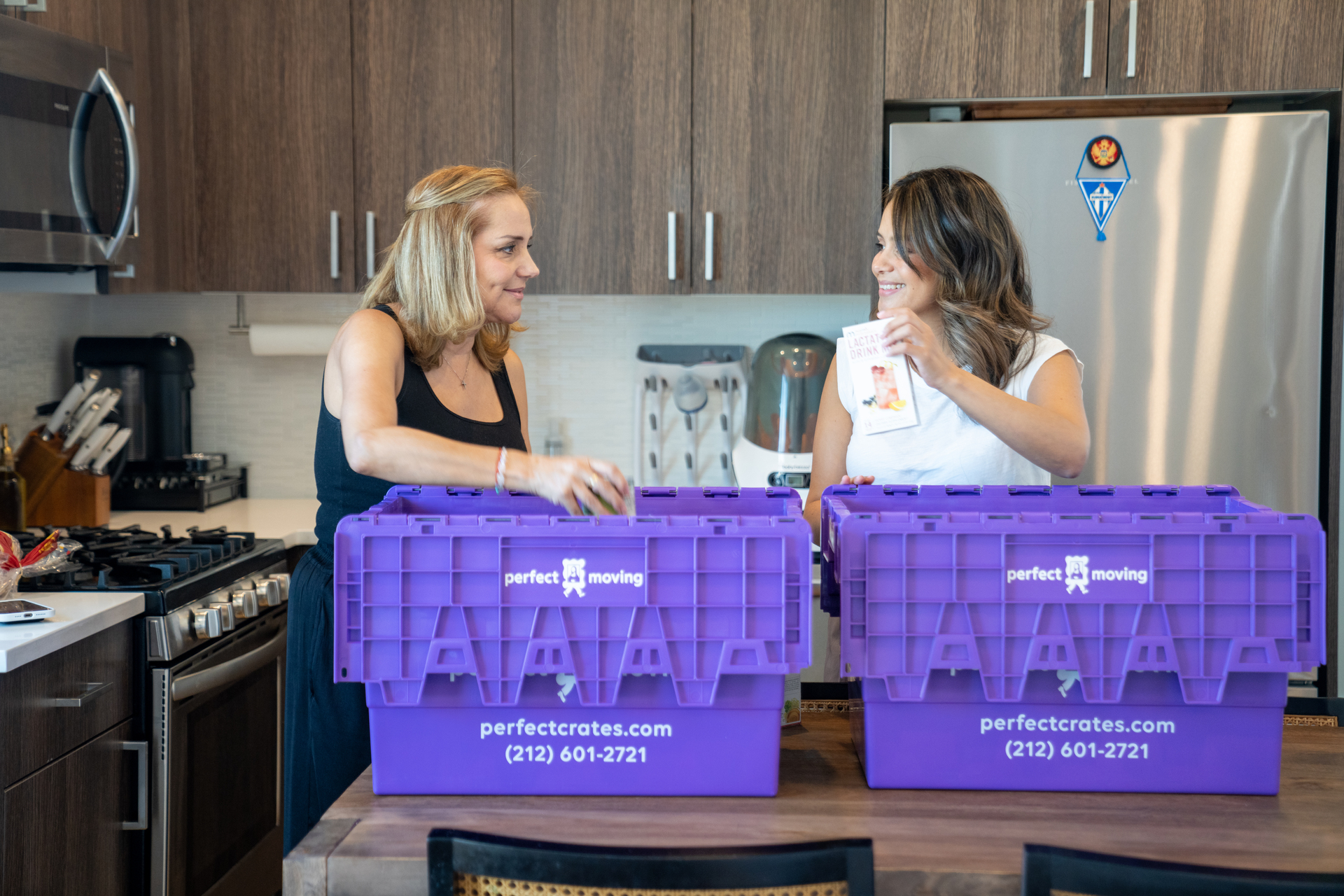
A boxless move is a move made with reusable crates instead of single-use cardboard boxes. The crates get delivered, you pack them, you move, and they get picked up again for the next household. Nothing gets bought only to be thrown away, so nothing ends up flattened at the curb.
Isn't cardboard cheaper than renting crates?
Cardboard is only cheaper if you ignore most of what it costs you. A "free" box is paid for in the hours spent hunting boxes, the soft ones that give out on the stairs, the tape and labels, and the disposal you own on the far end. I run that arithmetic in full in the hidden cost of free boxes.
Do reusable crates actually work better than cardboard boxes?
Reusable crates are the better product for a city that moves this often. They are crush- and water-resistant, need no tape and no assembly, and stack the same way every time, where a soft box works only until it rains or the bottom gives out. Whether a service can deliver that reliably is the real test, which I set in reliability is the real test.
Why would New York go boxless before anywhere else?
New York moves early, often, and all at once, which is exactly what makes the single-use box the odd habit out. In a city of renters changing apartments every year or two, buying and binning cardboard every single time is quietly absurd, a case I make in New York is a city of renters.
Isn't the environmental benefit the main reason to go boxless?
The environmental win is real, but it is the bonus, not the main reason to go boxless. The case is a better product first, and the lower waste comes along for free. The eco win is real: the EPA ranks reuse above recycling because reusing a container skips the whole make-it, use-it-once, discard-it cycle. The fuller version of that argument is recycling isn't enough: reduce and reuse come first.
See it for yourself
If you want to know what a move looks like with no boxes to hunt down, tape up, or flatten at the curb, that is the whole idea behind Perfect Crates. See how a boxless move works.
The first-person account is drawn from the author's own operator experience moving New Yorkers over more than a decade. The external source cited:
- U.S. Environmental Protection Agency: source reduction and reuse rank above recycling as the environmentally preferred strategy.
This is the manifesto. Each piece below takes one part of it and goes deep.
The box is the problem
- It's not the move you dread, it's the box: why the thing people hate about moving is the box, not the distance.
- The hidden cost of free boxes: the real price of cardboard is everything that never shows up on the price tag.
- The walk-up problem: why New York's stairs and tight spaces make sturdy, stackable crates matter more than they would anywhere else.
The waste case
- Cardboard is the most wasteful part of your move: the single-use box is an environmental cost hiding in plain sight.
- Recycling isn't enough: reduce and reuse come first: why reuse beats recycling, and what the EPA hierarchy actually says.
- Your cardboard habit is a climate choice: the small, invisible vote you cast every time you buy a stack of boxes.
- How the rules are already moving toward reusable: the regulatory direction is pointing away from single-use packaging, and reusable is ahead of it.
Why New York
- New York is a city of renters: a population that moves this often shouldn't be buying single-use boxes every time.
- Why moving season is broken: the everyone-moves-the-same-week crush, and how to plan around it.
- You rent your apartment, why buy your boxes: in a rental city, buying the one thing you use once is the odd habit out.
- College move-in doesn't have to be a cardboard disaster: the August student wave drowns in cardboard, and there's a boxless way through it.
Is it actually better?
- Reliability is the real test of a moving service: the category's weak spot is reliability, and that's the bar the boxless move has to clear.
For offices
- The case for boxless office moves: why an office should move boxless, in one place.
- The real cost of an office move isn't the movers: the line item nobody prices is the downtime.
- Your office move is a document-security risk: why open cardboard leaves sensitive files exposed in transit, and what lockable crates change.
The proof and the future
- What our crate rentals reveal about how New York moves: what the data says about how, and when, the city actually moves.
- The future of moving is circular: where all of this ends up, when the boxless move becomes the default.